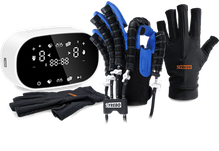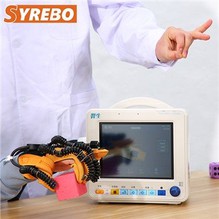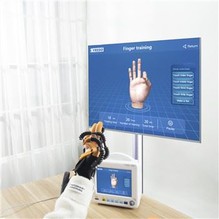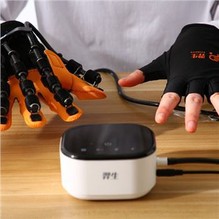
On November 16-18, the second Conference of "Belt and Road" Medical Device Innovation and Application was held in Shanghai. The blockbuster new product—the brain control hand function rehabilitation training evaluation SY-HR08P, developed by Siyi Intelligence, officially debuted. This is thefirst brain-computer software hand function rehabilitation robot in the world.
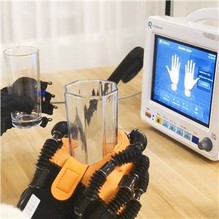
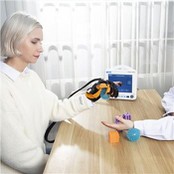
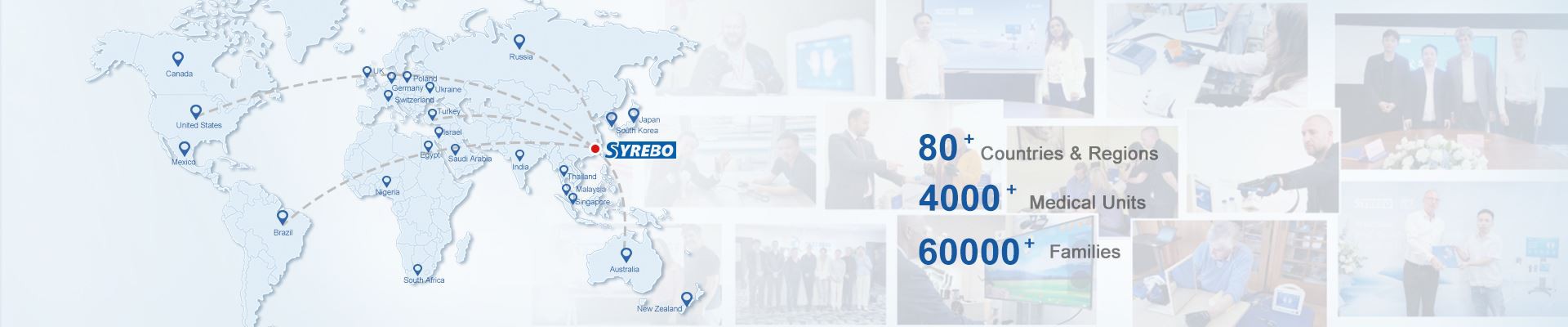
At present, the Syrebo™ hand rehabilitation robot has come into use in more than 80 countries around the world. This SY-HR08P EEG version can monitor the brain signals of patients and analyze these signals to determine the intention of the affected hand. The signal is converted into the movement of the exoskeleton manipulator, so that the hemiplegic hand can restore the motor function, and the patient can participate in active rehabilitation training 100 percent , and speed up the nerve rehabilitation.
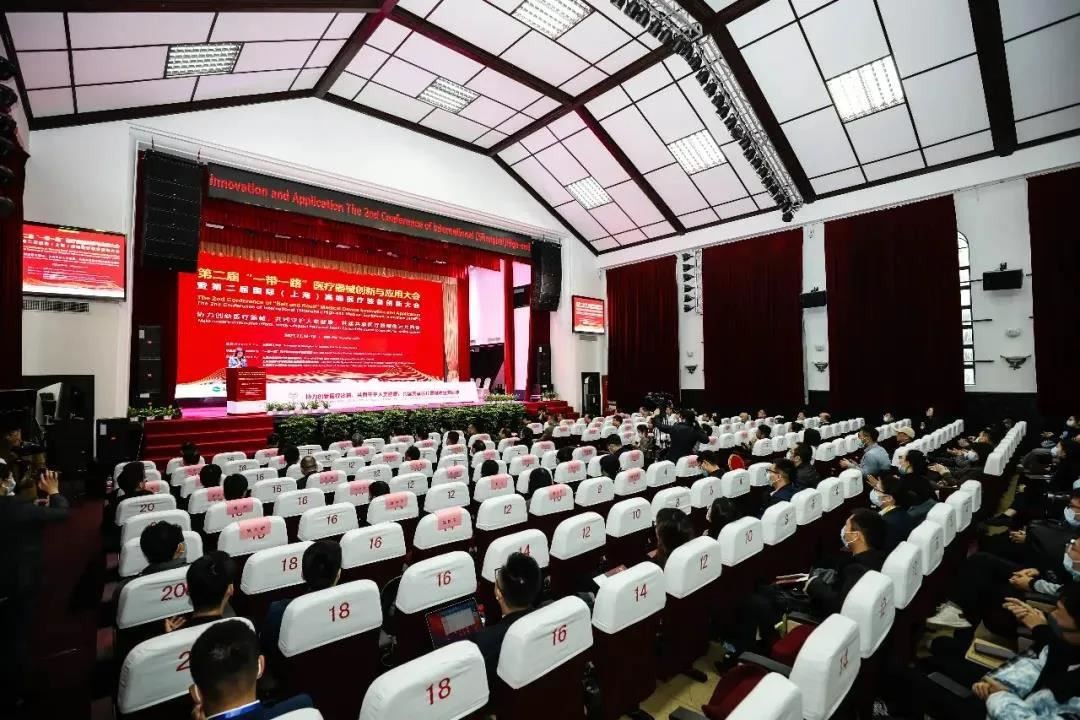
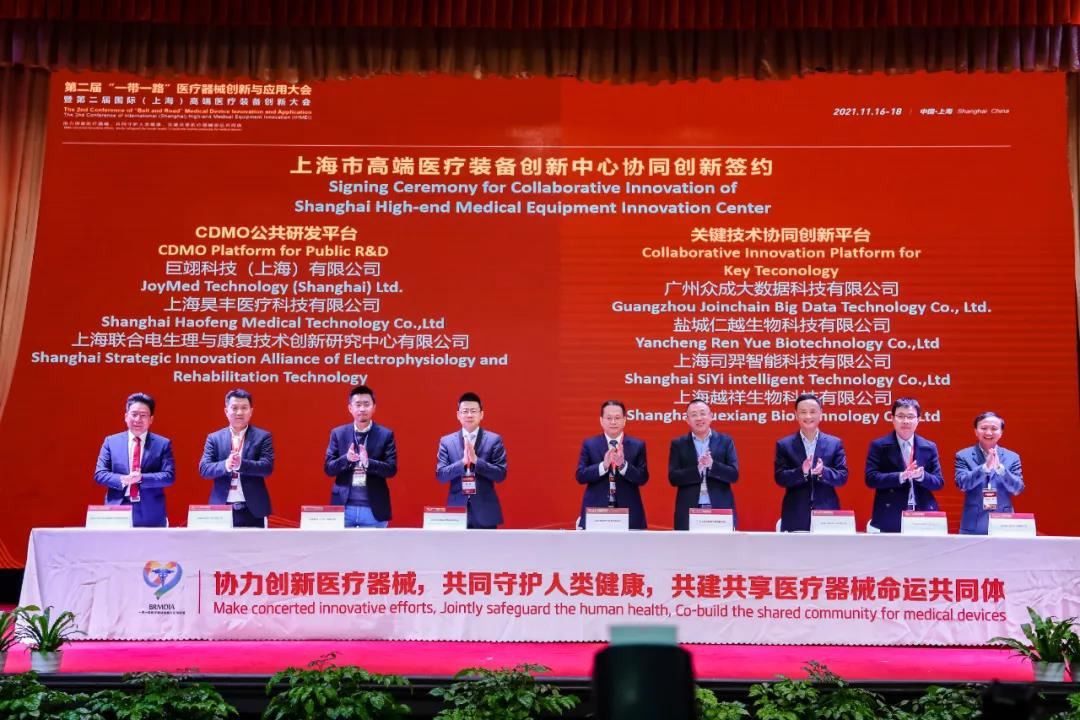
The theme of this conference is "Make concerted innovative efforts. Jointly safeguard the human health, Co-build the shared community for medical devices". Hundreds of member representatives from 20 countries (regions) of the "One Belt One Road" Medical Device Innovation and Application Alliance actively participated in this annual industry event, and more than 300 representatives of industry organizations attended the meeting.
The theme of this conference is "Make concerted innovative efforts. Jointly safeguard the human health, Co-build the shared community for medical devices". Hundreds of member representatives from 20 countries (regions) of the "One Belt One Road" Medical Device Innovation and Application Alliance actively participated in this annual industry event, and more than 300 representatives of industry organizations attended the meeting.
En la conferencia, Xu Zhaohong, director de Siyi Intelligence RD, anunció oficialmente que, después de un largo período de tiempo, finalmente se lanzó la evaluación del entrenamiento de rehabilitación de la función manual de control cerebral SY-HR08P.
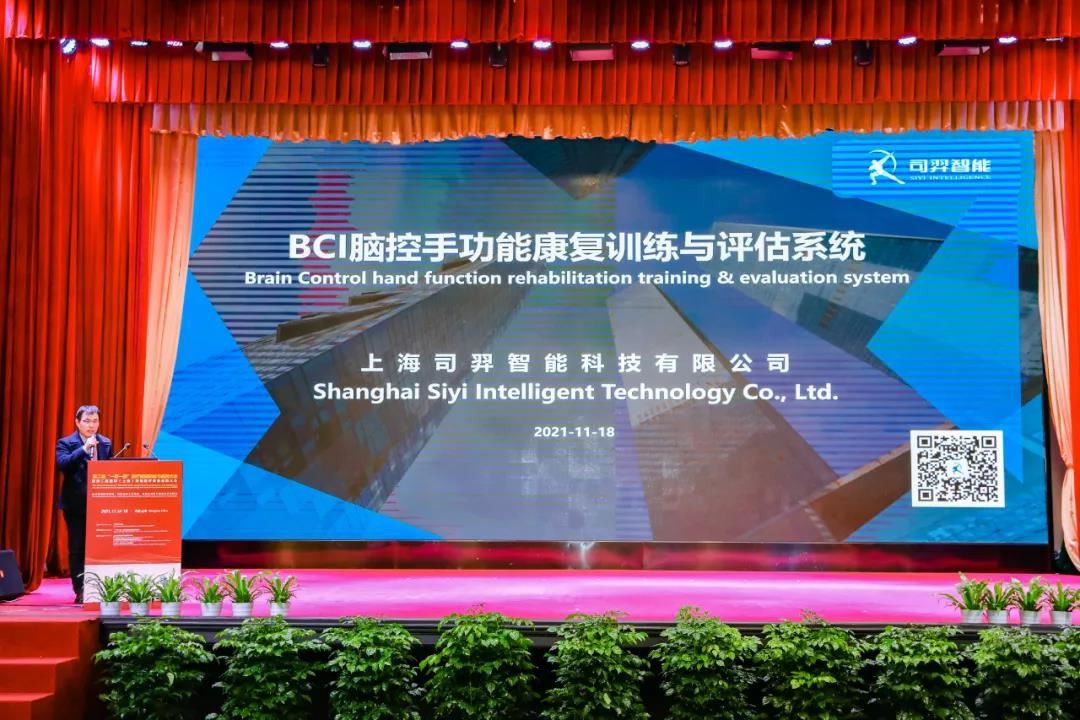

Este producto fue creado conjuntamente por Siyi Intelligence, la Universidad Jiaotong de Shanghai y el Hospital Huashan afiliado a la Universidad de Fudan. Es un caso típico de cooperación entre la industria-universidad-investigación-medicina.
"The research and development results of the brain control hand function rehabilitation training evaluation SY-HR08P are of milestone significance for the development of rehabilitation medicine and rehabilitation intelligent equipment. With the brain-computer interface technology, the rehabilitation robot is like being plugged in with a pair of wings, and its strength is greatly increased." Xu Zhaohong said.
At present, what most rehabilitation robots do is to continuously allow the muscles of the local body to recover to a normal state through exercise training, and then feed the normal motion signals back to the brain through the central nervous system to speed up the process of brain remodeling. However, this kind of "bottom-up" stimulation obviously has a longer period, and the therapeutic effect is also unsatisfactory. Is it possible to directly stimulate the brain to complete the "top-down" neural remodeling? Brain-computer interface is one of the solutions.
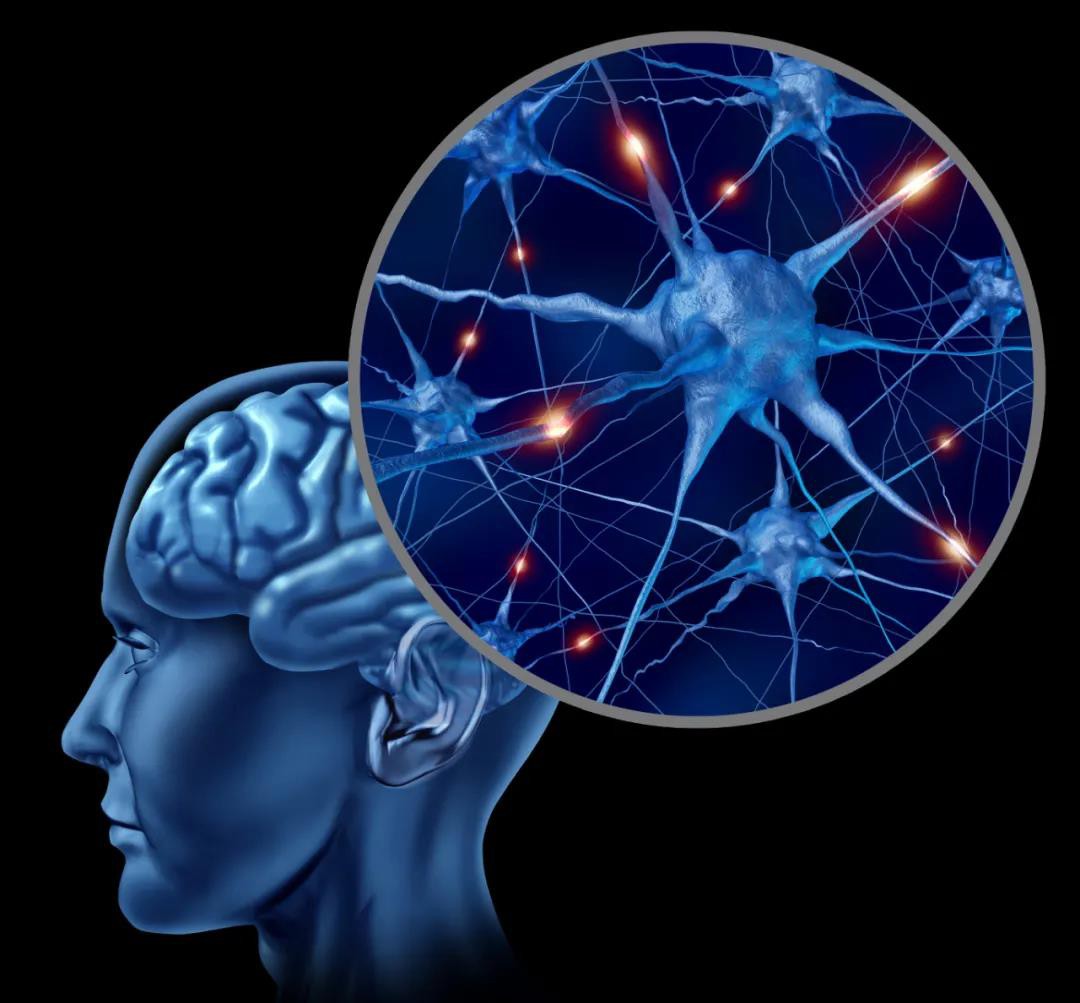
The so-called brain-computer interface is to connect and communicate between the human brain and the machine. The brain-computer interface can "know" what you are thinking by analyzing brain waves; and then help you command the machine to perform rehabilitation training on the patient. In such repeated training, an effective connection can be gradually established between the brain and the affected body to achieve the purpose of restoring normal physiological functions.
The first step in establishing a brain-computer interface is to capture brain motion and imagination signals and analyze the thought data so that the machine "knows" the instructions of the brain. SY-HR08P's EEG helmet has many electrodes, which can read and recognize the user's brain waves, including when to try to move and control the arm. Then, the EEG helmet translates these signals and sends them to the host device; the host receives the instructions, and the exoskeleton manipulator (soft glove) will help the limbs to move according to the brain's intentions to achieve functions such as stretching, gripping, and grasping. Through brain-controlled rehabilitation training, the patient's active movement awareness can be stimulated, and the "perception-control" two-way closed-loop nerve stimulation can be realized to reshape the patient's nerve pathway, and significantly improve the rehabilitation effect.
El robot de rehabilitación de función manual de control cerebral SY-HR08P está compuesto por dos dispositivos principales, a saber, un casco EEG y un manipulador de exoesqueleto. Ambos adoptan un concepto de diseño portátil y son cómodos de usar y fáciles de operar.
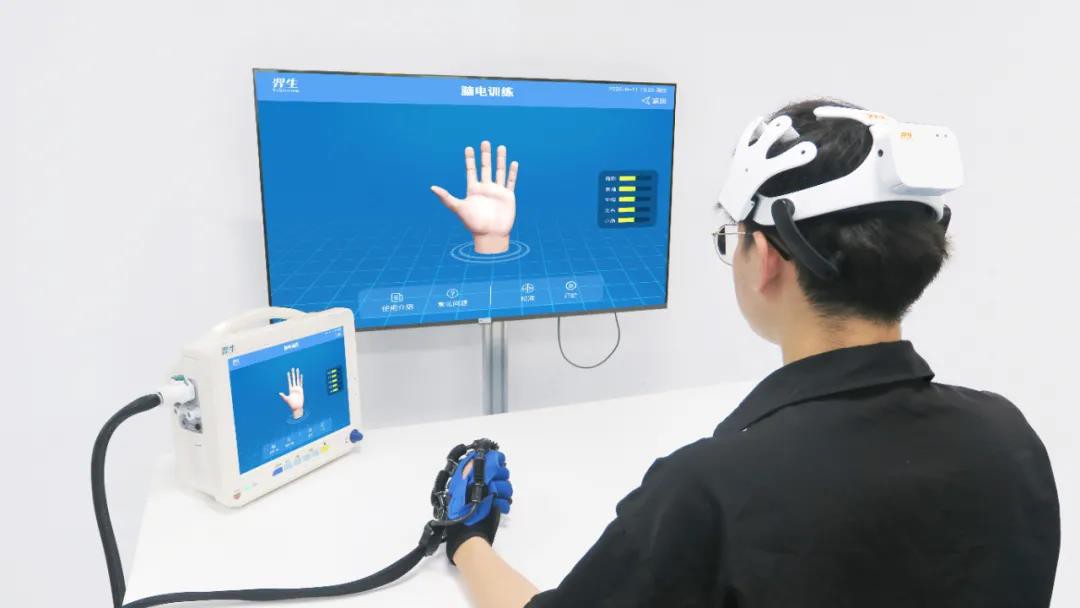
Se informa que SY-HR08P proporciona a los pacientes un sistema de entrenamiento de rehabilitación de control de EEG de inteligencia artificial, que incluye múltiples modos de entrenamiento, como análisis de imaginación motora, entrenamiento cognitivo, entrenamiento pasivo, entrenamiento-asistido por energía, dos -duplicación de manos, control de voz, juegos activos de evaluación inteligente, etc., y realiza terapia de espejo, entrenamiento-orientado a tareas, estimulación multi-sensorial, etc.
En los últimos años, el campo de la rehabilitación médica se ha inclinado cada vez más hacia la interacción natural y precisa entre humanos y máquinas. Los avances tecnológicos representados por la interacción humano-computadora (interfaz cerebro-computadora, tecnología de electromiografía) han hecho que la integración entre humanos y máquinas sea cada vez más estrecha. Los dos tienen ventajas complementarias y trabajan en coordinación, y darán lugar a importantes innovaciones teóricas y avances tecnológicos en la rehabilitación médica.