Clinical Evidence
Plain-language explainers of published, peer-reviewed research on hand rehabilitation robots and gloves. Each article summarizes a real study — with its design, key results and original source — so patients, families and clinicians can weigh the evidence.
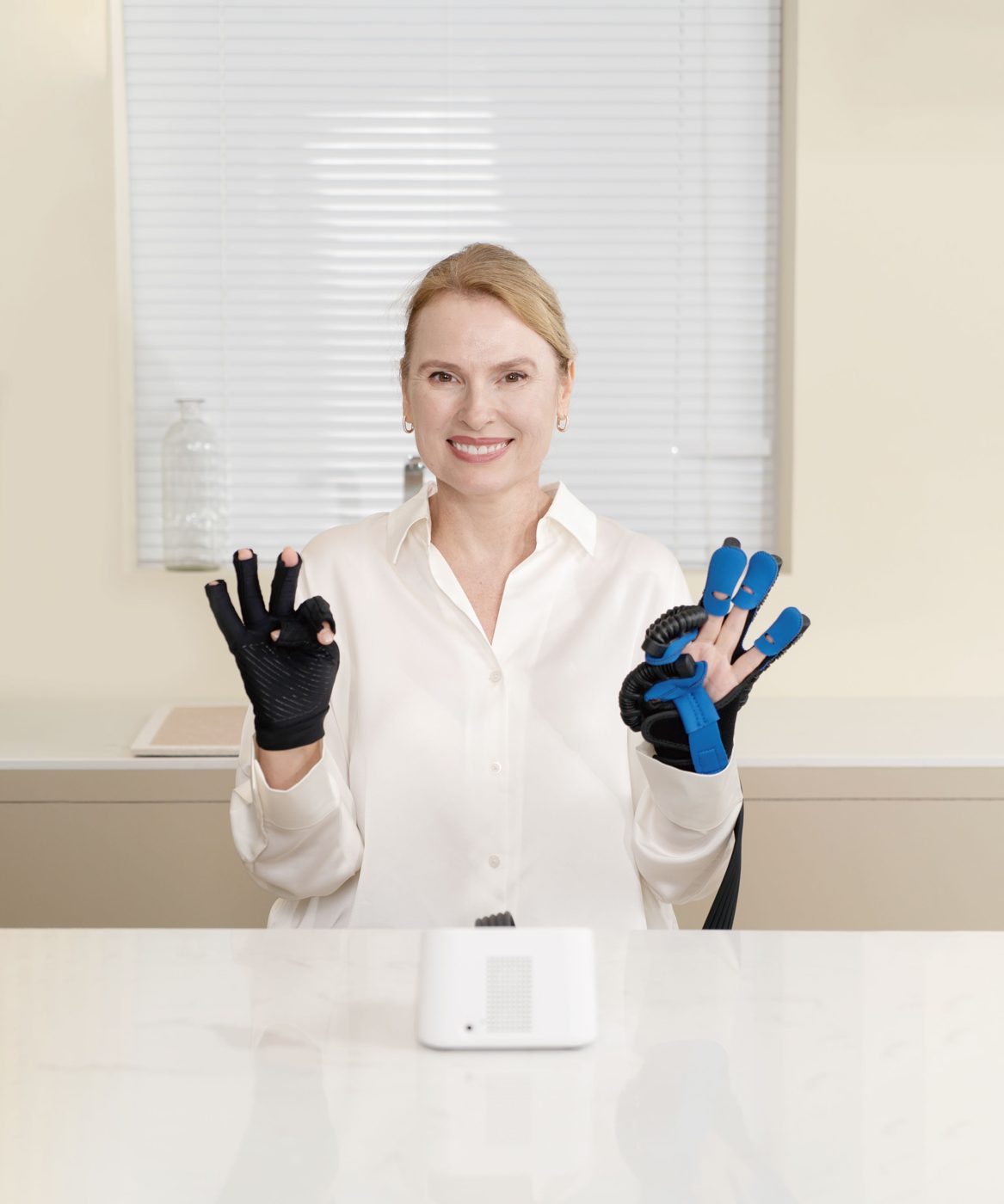
Syrebo Glove Rehabilitation in a Patient With an MCA Infarct: What a 2024 Case Report Found
A 2024 single-patient case report describes a 66-year-old with a middle cerebral artery infarct who improved on 5 measures after Syrebo glove rehab.
Read the study →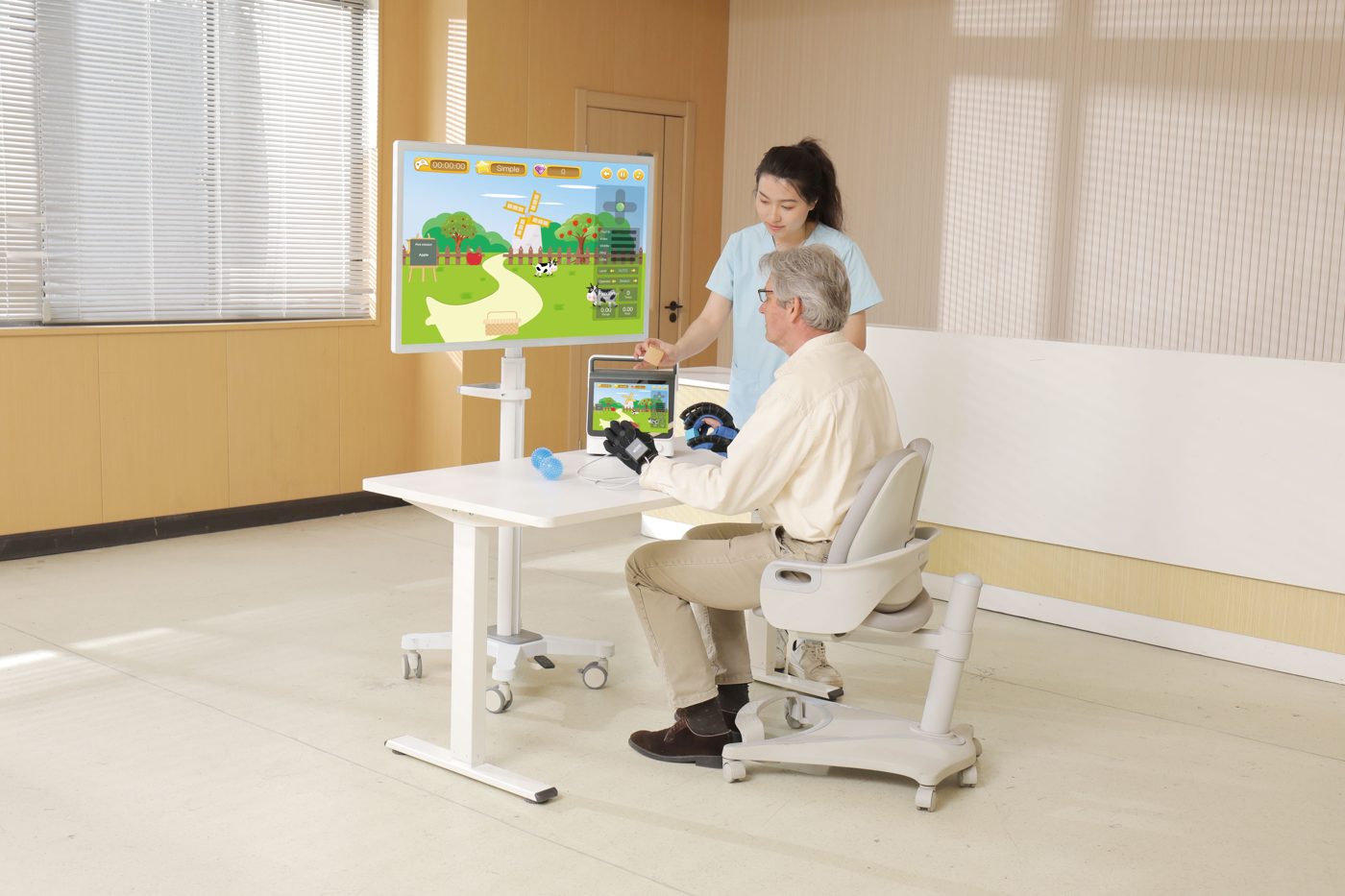
Innovative Robotic Mirror Therapy for Upper-Limb Impairment After Stroke: What a 2024 RCT Found
A 2024 RCT in 60 stroke patients found SY-HR08 robotic mirror therapy improved upper-limb function and daily living more than traditional mirror therapy.
Read the study →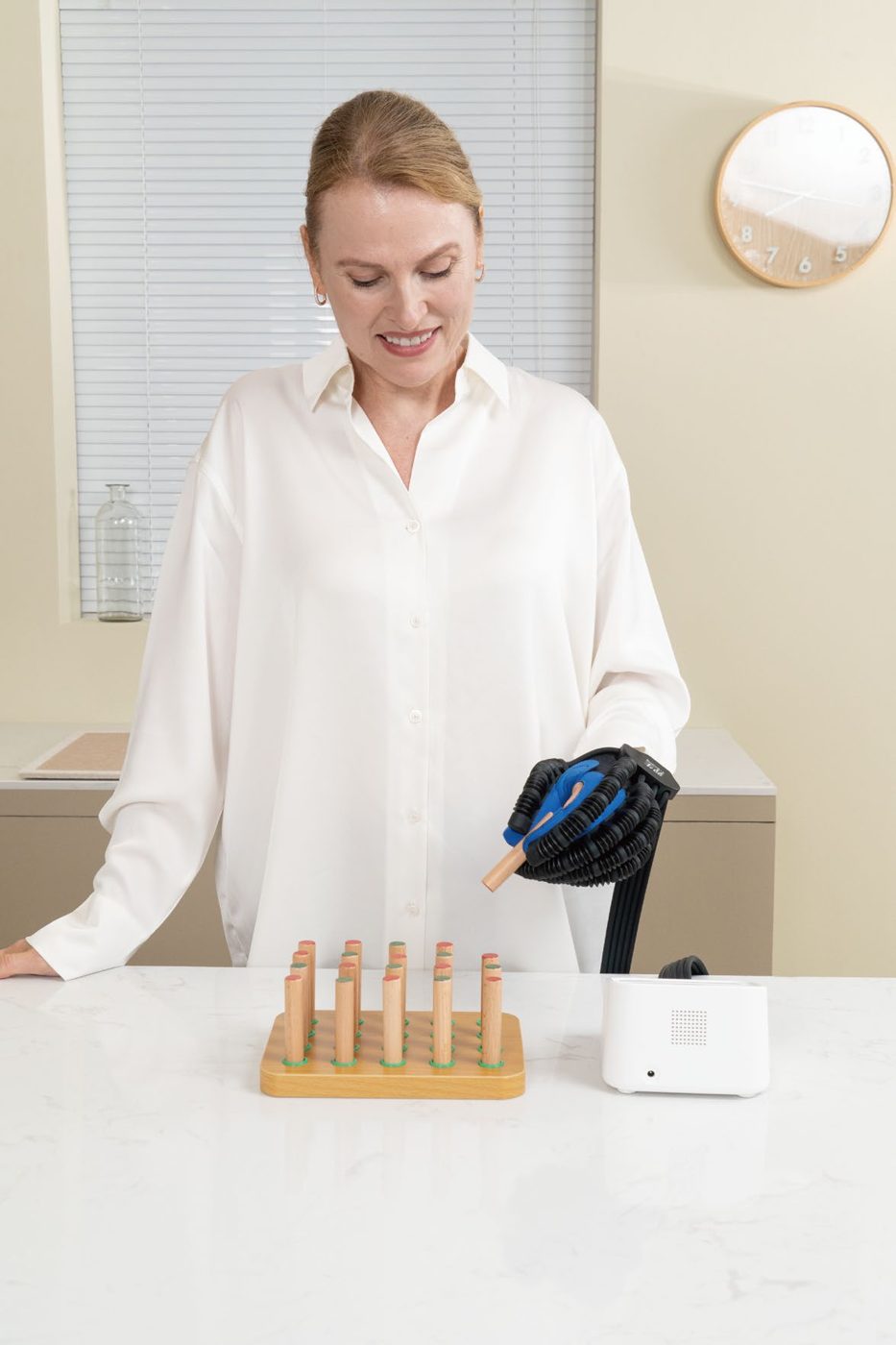
Syrebo Glove Rehabilitation After an MCA Stroke: What a 2024 Case Report Found
A 2024 Cureus case report tracked a 66-year-old MCA stroke patient through Syrebo glove rehabilitation, with gains across every functional measure. See the data…
Read the study →Robotic Training Gloves Improve Hand Function After Stroke: What a 2025 RCT Found
A 2025 randomized controlled trial found stroke patients using a Syrebo robotic glove gained significantly more grip strength and motor function. See the data.
Read the study →Mirror Motion Rehabilitation Robot Improves Hand Movement in Sub-acute Stroke: What a 2021 RCT Found
A 2021 randomized controlled study found sub-acute stroke patients who added mirror-motion robot training recovered significantly more upper-limb motor function…
Read the study →Innovative Robotic Mirror Therapy vs Traditional Mirror Therapy: What a 2024 Stroke RCT Found
A 2024 head-to-head RCT found innovative robotic mirror therapy (SY-HR08) beat traditional mirror therapy for upper limb function and daily living after stroke.
Read the study →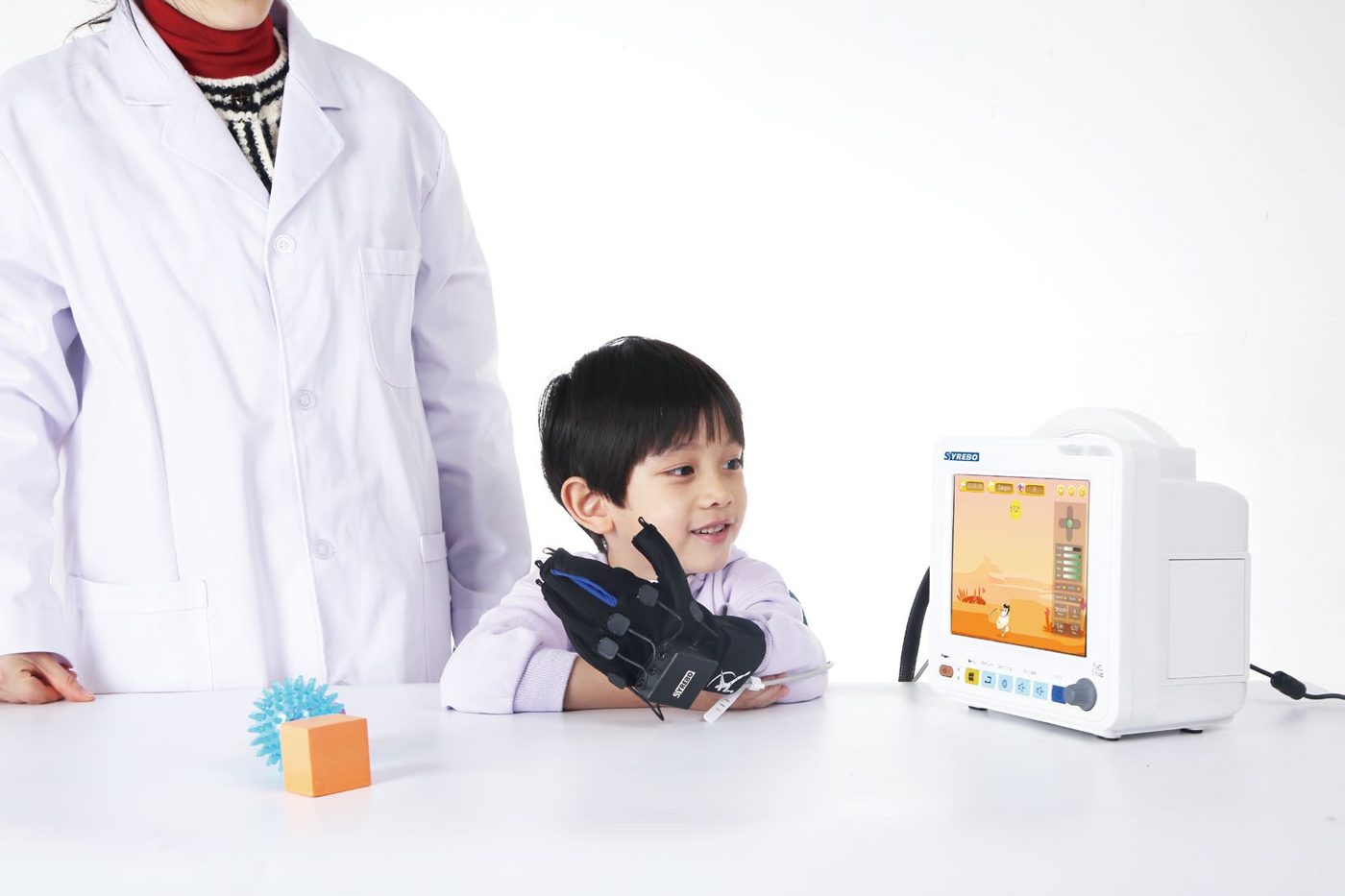
Hand Rehabilitation in Children and Adolescents After Brain Injury: What the Evidence Review Says
A 2024 narrative review explains how children and adolescents recover hand function after brain injury — the role of the corticospinal tract, neuroplasticity, a…
Read the study →