Home-based Mano Rehabilitación Guidelines for Ictus Patients - Centro de Ictus
Studies showed that almost 70%-80% of ictus patients have hemiplegia, aphasia, cognitive dysfunction and other sequelae, seriously affecting patients life quality; at the same time, ictus has a high recurrence rate and high mortality rate. To consolidate the effect and avoid recurrence of ictus, patients still need lots of home rehabilitación training after they finish ultra-early mano rehabilitación training in hospitals or rehabilitación centers.
Scientific and systemic home rehabilitación plays a crucial role in reducing the recurrence rate and mortality rate of ictus and helping patients better return to daily life. Here are some rehabilitación expert instructions on how to properly act home rehabilitación training for ictus patients with mano dysfunction.
Standard mano rehabilitación training at home
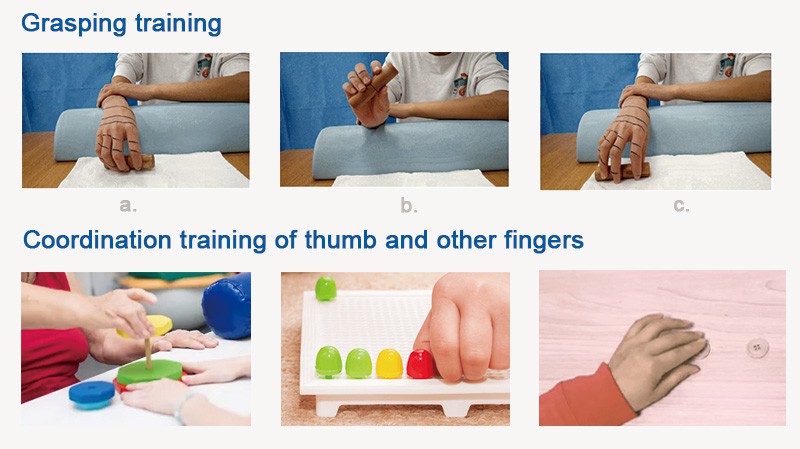
Grasping training-The paciente holds a wooden stick with the affected mano, then releases. Pick up the stick again and repeat the movimiento. Keep the affected upper limb straight while training.
Coordination training of thumb and other fingers- The affected thumb works with the other four fingers to pick up small or thin objects (such as pencils, erasers, wooden stick, etc.) and move them from one place to another.
Relax muscles before and after training
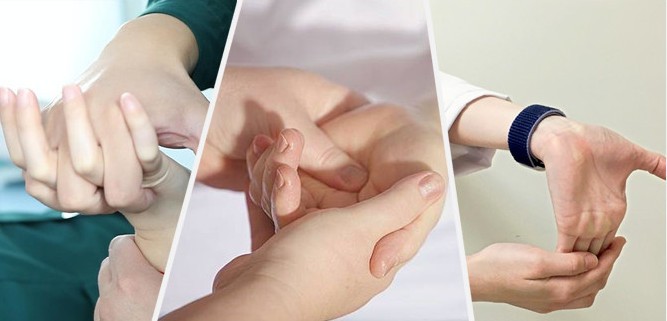
With the help of family members, the paciente's muscles need to be relaxed before and after training; the force is required to be soft, slow and gradual during the training.
Keep training every week
Based on the results of comprehensive examination, patients and their families need to formulate home rehabilitación plan and goals. At the beginning of rehabilitación training, the intensity should be a process of adaptation, from low to vigorous. The frequency of training, in principle, is 5 times per week, at least 1 hour each time.
Use professional assistive devices to mejorar rehabilitación efficiency
To help ictus patients complete activities of daily living with less effort and mejorar self-care ability, household assistive devices are recommended to use during rehabilitación training such as the advanced mano rehabilitación robots. Combining soft robotic exoesqueleto technology and neuroscience, rehab robots can accelerate central nervous reshaping and mano función recuperación through active and passive integrated training.
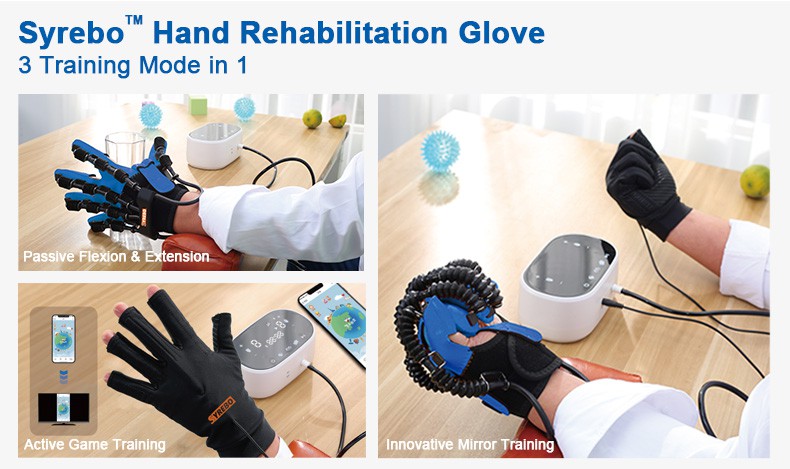
Syrebo mano rehabilitación guante including three training modes is a best companion for patients recovering at home. Its passive flexion and extension training can drive paciente's affected mano to grasp objects, helping them exercise the grasping función of mano. Under innovative mirror training mode, the healthy mano drives the affected mano to move synchronously, activating the mirror neurons and promoting the autonomic recuperación of the brain. By central nervous intervention, this training can greatly speed up the rehabilitación process. Moreover, the robot is included the game training to make rehabilitación more interesting and stimulate paciente's active participation.
With the help of Syrebo mano rehabilitación guante, ictus patients can acquire professional rehabilitación training at home, accelerating the recuperación process and improving the quality of life.